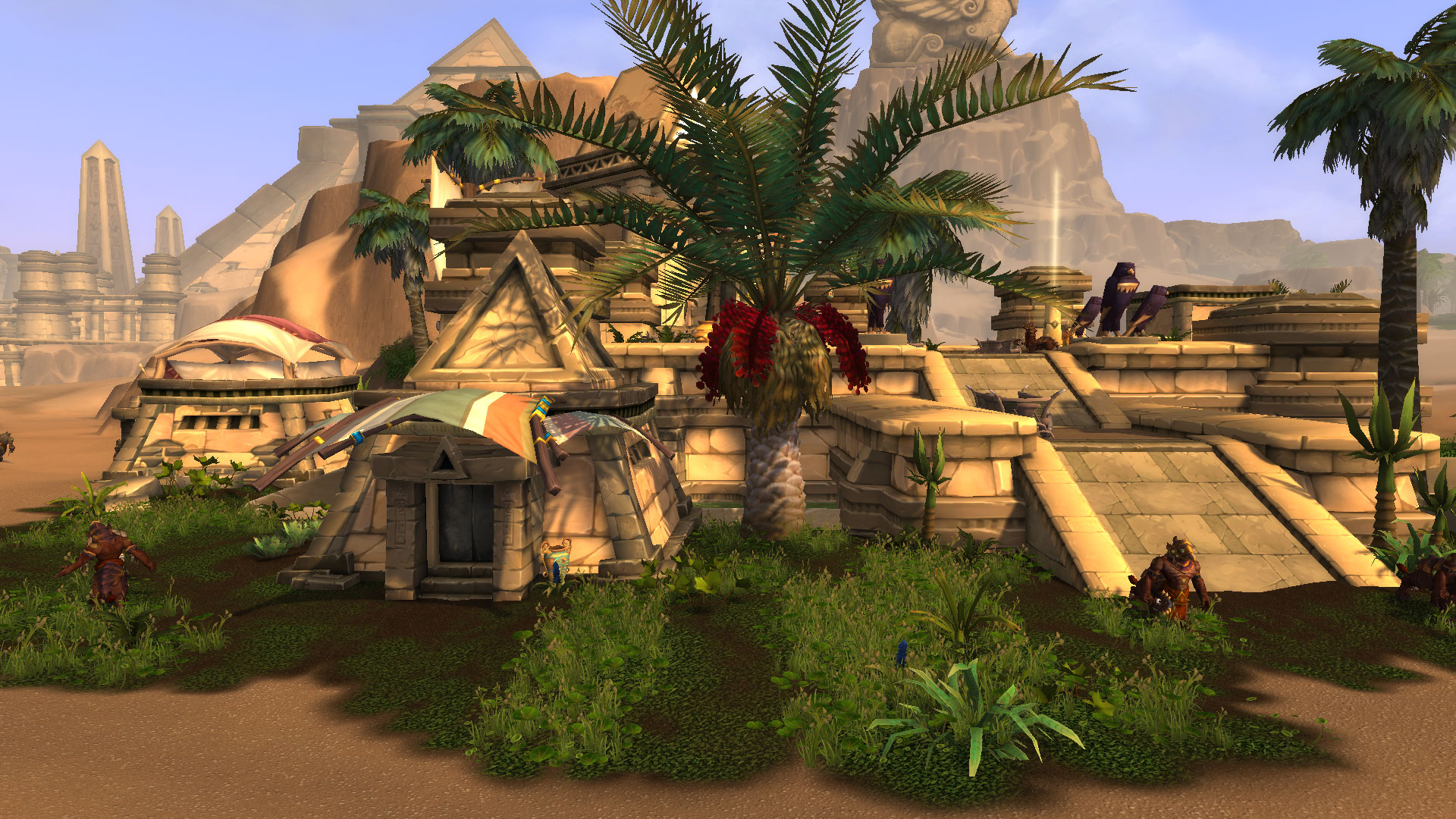
The introduction of Harrison Jones in World of Warcraft: Cataclysm sparked a significant debate among players regarding the balance between humor and serious storytelling. While the character was designed to inject levity into the game, many felt that his presence undermined the gravity of the surrounding narrative. This guide explores the implications of meme quests like Harrison Jones on the overall storytelling experience in Cataclysm, examining player reactions, narrative coherence, and the long-term effects on zone immersion.
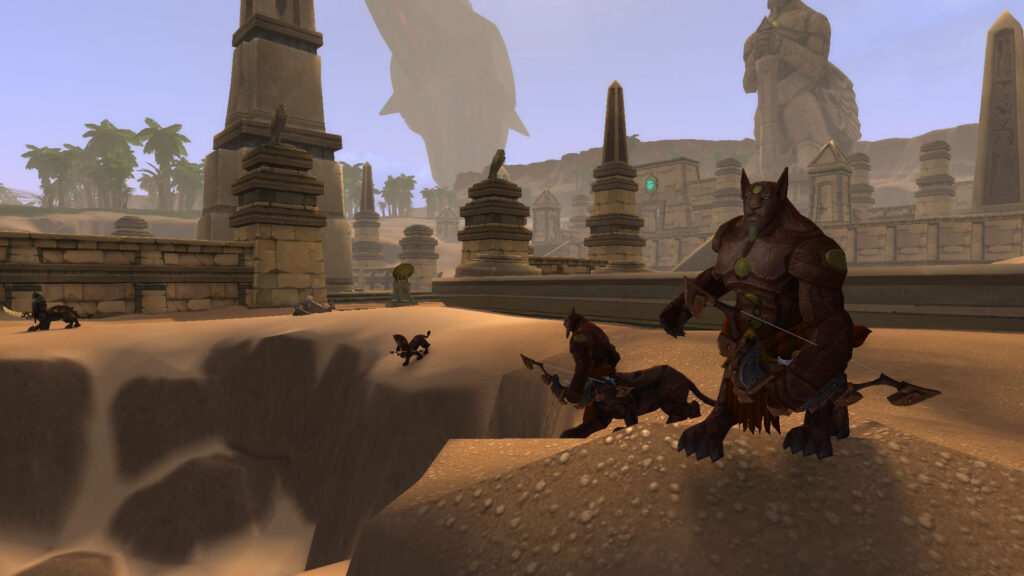
What are the main criticisms of Harrison Jones in Cataclysm?
Many players criticize Harrison Jones for detracting from the serious narrative of Cataclysm, arguing that his comedic quests disrupt immersion and undermine the game’s lore.
The introduction of Harrison Jones, a parody of Indiana Jones, brought a comedic element to questing that some players found jarring. The Cataclysm expansion was meant to convey a sense of urgency and danger, with the world literally breaking apart. However, the light-hearted nature of Harrison’s quests often clashed with the darker themes of destruction and loss that were prevalent in the zone narratives. This dissonance led to a perception that Blizzard prioritized humor over storytelling depth, which alienated players who sought a more cohesive narrative experience.
Moreover, the meme culture surrounding Harrison Jones contributed to a broader trend within the game where humor began to overshadow serious storytelling. Players noted that while humor can enhance gameplay, it should not come at the expense of narrative integrity. The juxtaposition of light-hearted quests against the backdrop of a world in turmoil raised questions about Blizzard’s design philosophy and their understanding of player expectations for immersive storytelling.
How did Harrison Jones quests affect player immersion?
The quests involving Harrison Jones significantly impacted player immersion by introducing comedic elements that felt out of place in a serious narrative context.
Immersion in a game like World of Warcraft relies heavily on the consistency of its narrative and the emotional weight of its quests. When players engage with a storyline that involves dire consequences, the expectation is that the quests will reflect that tone. However, Harrison Jones’ quests often included humorous dialogue and absurd scenarios, which disrupted the emotional engagement players had with the overarching story. This inconsistency can lead to a disconnect, where players feel less invested in the world and its characters.
Furthermore, immersion is also affected by the quest design itself. For example, quests that require players to collect absurd items or engage in slapstick humor can detract from the seriousness of the narrative. Players often found themselves laughing at the absurdity rather than feeling the weight of their actions in a world on the brink of collapse. This shift in focus can lead to a more superficial gaming experience, where the player’s emotional investment is diminished, and the narrative’s impact is lessened.
- Assess the tone of the quests: Ensure that humor aligns with the overall narrative.
- Maintain narrative consistency: Avoid jarring shifts between comedic and serious elements.
- Engage players emotionally: Design quests that resonate with the themes of the expansion.
- Solicit player feedback: Use community input to gauge the effectiveness of quest design.
What are the key narrative themes in Cataclysm that were overshadowed?
The key narrative themes in Cataclysm, such as destruction, loss, and the fight for survival, were often overshadowed by the comedic elements introduced by Harrison Jones.
Cataclysm was built around the catastrophic events that reshaped Azeroth, introducing themes of loss and resilience. Players were meant to confront the aftermath of Deathwing’s return, witnessing the devastation wrought upon familiar landscapes. However, the introduction of light-hearted quests often diverted attention from these serious themes. Instead of focusing on the emotional weight of the world’s destruction, players found themselves engaged in comedic escapades that felt trivial in comparison to the stakes at hand.
This overshadowing effect can be illustrated through specific quest lines that were intended to evoke a sense of urgency and danger. For instance, quests that involved rebuilding towns or rescuing survivors were often interspersed with humorous quests from Harrison Jones, which diluted the emotional impact of the former. Players were left questioning the coherence of the narrative, as the juxtaposition of humor and tragedy created a disjointed experience. The following table summarizes the thematic conflicts presented in Cataclysm:
| Thematic Element | Intended Narrative Impact | Harrison Jones’ Influence | Player Reception |
|---|---|---|---|
| Destruction | Highlight the world’s fragility | Comedic relief undermines urgency | Mixed; some appreciated humor, others felt it trivialized the stakes |
| Loss | Emphasize emotional connections | Humor distracts from character investment | Negative; players felt disconnected from the narrative |
| Survival | Encourage player engagement in rebuilding | Absurd quests detract from serious efforts | Frustrated; players wanted meaningful contributions |
How can Blizzard improve quest design to balance humor and narrative?
Blizzard can improve quest design by ensuring that humor complements rather than detracts from the narrative, creating a more cohesive player experience.
To achieve a better balance between humor and serious storytelling, Blizzard should consider the context in which comedic elements are introduced. For example, humor can be effective in moments of respite or after intense narrative climaxes, allowing players to decompress without undermining the overall tone. Additionally, integrating humor that is relevant to the lore can enhance immersion, making it feel like a natural part of the world rather than an abrupt shift in tone.
Furthermore, developing quests that allow for player agency in choosing their path can also help balance humor and narrative. By providing players with options that range from serious to humorous, Blizzard can cater to diverse player preferences while maintaining narrative integrity. This approach not only respects the player’s emotional investment but also encourages engagement with the storyline. Ultimately, a thoughtful integration of humor can enhance the narrative without overshadowing its core themes.
What are the best practices for creating engaging quests in MMORPGs?
Best practices for creating engaging quests in MMORPGs include maintaining narrative coherence, offering player choices, and integrating humor thoughtfully.
Engaging quests are essential for player retention and satisfaction in MMORPGs. To create compelling quests, developers should prioritize narrative coherence, ensuring that each quest contributes meaningfully to the overarching story. This involves careful planning of quest lines that reflect the emotional stakes of the game world. Additionally, offering players choices can enhance engagement, allowing them to shape their experiences based on their preferences.
Moreover, humor can be a valuable tool when used appropriately. Developers should aim to weave humor into quests in a way that feels organic and relevant to the narrative. This can be achieved through character interactions, situational comedy, or light-hearted dialogue that enhances the experience without detracting from the seriousness of the story. By following these best practices, developers can create quests that resonate with players and foster a deeper connection to the game world.
Frequently Asked Questions
Why do players dislike Harrison Jones quests?
Players often dislike Harrison Jones quests because they feel that the humor disrupts the serious narrative of Cataclysm. The comedic elements can detract from the emotional weight of the story, leading to a disconnect between the player and the game’s themes.
How can humor be effectively integrated into quests?
Humor can be effectively integrated into quests by ensuring it complements the narrative rather than undermining it. This can be achieved by placing humorous quests in appropriate contexts, such as after intense story moments, and ensuring that the humor is relevant to the lore.
What are the consequences of poor quest design in MMORPGs?
Poor quest design can lead to player disengagement, reduced immersion, and a lack of emotional investment in the game world. When quests feel disjointed or trivial, players may lose interest in the narrative and the overall gaming experience.