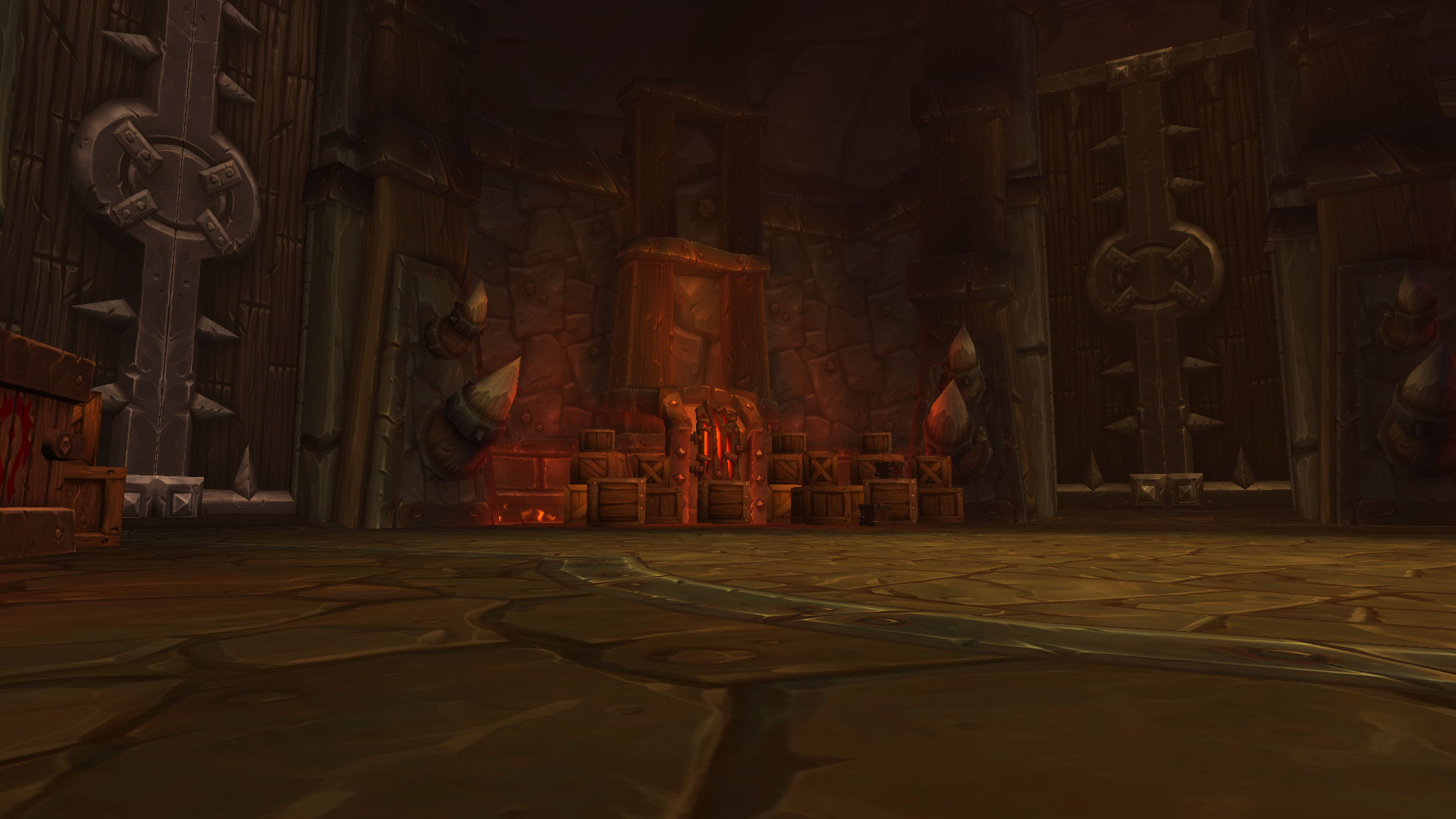
The Siege of Orgrimmar’s Garrosh Phase 4 encounter in Stormwind Harbor represented a significant turning point in the World of Warcraft raiding community. This phase introduced unprecedented mechanics and challenges that tested even the most seasoned Mythic raiders. The complexity of the encounter, combined with its unique environmental factors, created a perfect storm of difficulty that shocked players globally. Understanding the intricacies of this phase is essential for any raider looking to conquer its challenges.
What are the key mechanics of Garrosh Phase 4 in Stormwind Harbor?
Garrosh Phase 4 features unique mechanics such as the “Corrupted Blood” debuff, “Whirling Corruption,” and environmental hazards that drastically alter raid strategies.
This phase introduces several new mechanics that require precise coordination and execution from all raid members. The following table summarizes the key mechanics and their implications for raid strategy and player positioning.
| Mechanic | Effect | Countermeasure | Impact on Raid |
|---|---|---|---|
| Corrupted Blood | Inflicts damage over time | Healers must prioritize cleansing | Increases healing demands |
| Whirling Corruption | Creates damaging zones | Players must move to safe zones | Requires constant repositioning |
| Environmental Hazards | Randomly placed obstacles | Players must navigate carefully | Increases risk of player deaths |
How did the mechanics of Garrosh Phase 4 change raiding strategies?
The mechanics of Garrosh Phase 4 forced raiders to adapt their strategies significantly, focusing on coordination and real-time decision-making.
The introduction of mechanics such as “Corrupted Blood” and “Whirling Corruption” required teams to rethink their approach to healing and damage mitigation. Healers had to be vigilant, prioritizing players afflicted by Corrupted Blood while simultaneously managing the increased damage from Whirling Corruption. This dual focus created a high-pressure environment where missteps could lead to rapid wipes, emphasizing the importance of communication and situational awareness among team members.
Moreover, the environmental hazards added another layer of complexity, as players had to navigate around obstacles while executing their roles. This necessitated a more dynamic raid layout, with players needing to adjust their positions frequently. The combination of these mechanics meant that traditional strategies were often insufficient, pushing teams to innovate and develop new tactics that could handle the unique challenges posed by this encounter.
What are the essential steps to successfully complete Garrosh Phase 4?
Successfully completing Garrosh Phase 4 requires a structured approach, focusing on coordination, communication, and adaptability.
To tackle this challenging phase, teams need to implement a series of critical steps that ensure all players are aligned and prepared for the encounter’s demands. First, establishing clear roles and responsibilities is essential, as this helps streamline communication and reduces confusion during the fight. Second, conducting thorough pre-raid preparations, including gear checks and consumable management, can significantly enhance performance. Third, practicing the encounter in a controlled setting allows players to familiarize themselves with the mechanics and develop effective strategies. Finally, maintaining a positive mindset and encouraging open communication during the fight can help mitigate stress and improve overall team performance.
- Establish clear roles for each raid member to streamline communication.
- Conduct gear checks and ensure all players have the necessary consumables.
- Practice the encounter in a controlled environment to familiarize with mechanics.
- Encourage open communication and maintain a positive mindset during the fight.
What are the critical parameters for success in Garrosh Phase 4?
Success in Garrosh Phase 4 hinges on understanding critical parameters such as damage output, healing throughput, and player positioning.
To achieve victory in this phase, raiders must focus on maximizing their damage output while ensuring that healing is sufficient to counteract the effects of Corrupted Blood. This requires a careful balance between DPS and healing roles, as overcommitting to one can lead to failure. Additionally, player positioning is crucial; staying within safe zones while avoiding environmental hazards can significantly reduce the risk of player deaths. Teams should also monitor their cooldowns and utilize them strategically to mitigate damage spikes during critical moments of the encounter.
Lastly, analyzing performance metrics post-raid can provide valuable insights into areas for improvement. By reviewing logs and identifying patterns in damage taken or healing received, teams can refine their strategies and enhance their overall effectiveness in future attempts. This iterative process of analysis and adjustment is vital for mastering the complexities of Garrosh Phase 4.
What troubleshooting strategies can be applied during Garrosh Phase 4?
During Garrosh Phase 4, troubleshooting strategies such as identifying failure points and adjusting tactics can help mitigate wipes.
When encountering difficulties in this phase, it’s essential to pinpoint the specific mechanics or player actions leading to wipes. For instance, if players are consistently dying to Corrupted Blood, it may indicate a need for better communication regarding cleansing priorities. Similarly, if deaths are occurring due to environmental hazards, reviewing player positioning and movement patterns can reveal areas for improvement. Establishing a clear feedback loop during the encounter can help teams adapt their strategies in real-time, allowing them to respond to challenges as they arise.
What future trends can we expect in raiding mechanics similar to Garrosh Phase 4?
Future raiding mechanics are likely to evolve, incorporating more complex interactions and environmental challenges akin to Garrosh Phase 4.
As the game continues to develop, we can anticipate an increase in mechanics that require players to adapt dynamically to changing conditions. This may include more environmental hazards that interact with player abilities or mechanics that require real-time decision-making under pressure. Additionally, the trend towards more intricate and layered mechanics suggests that future encounters will demand even greater coordination and communication among raid members.