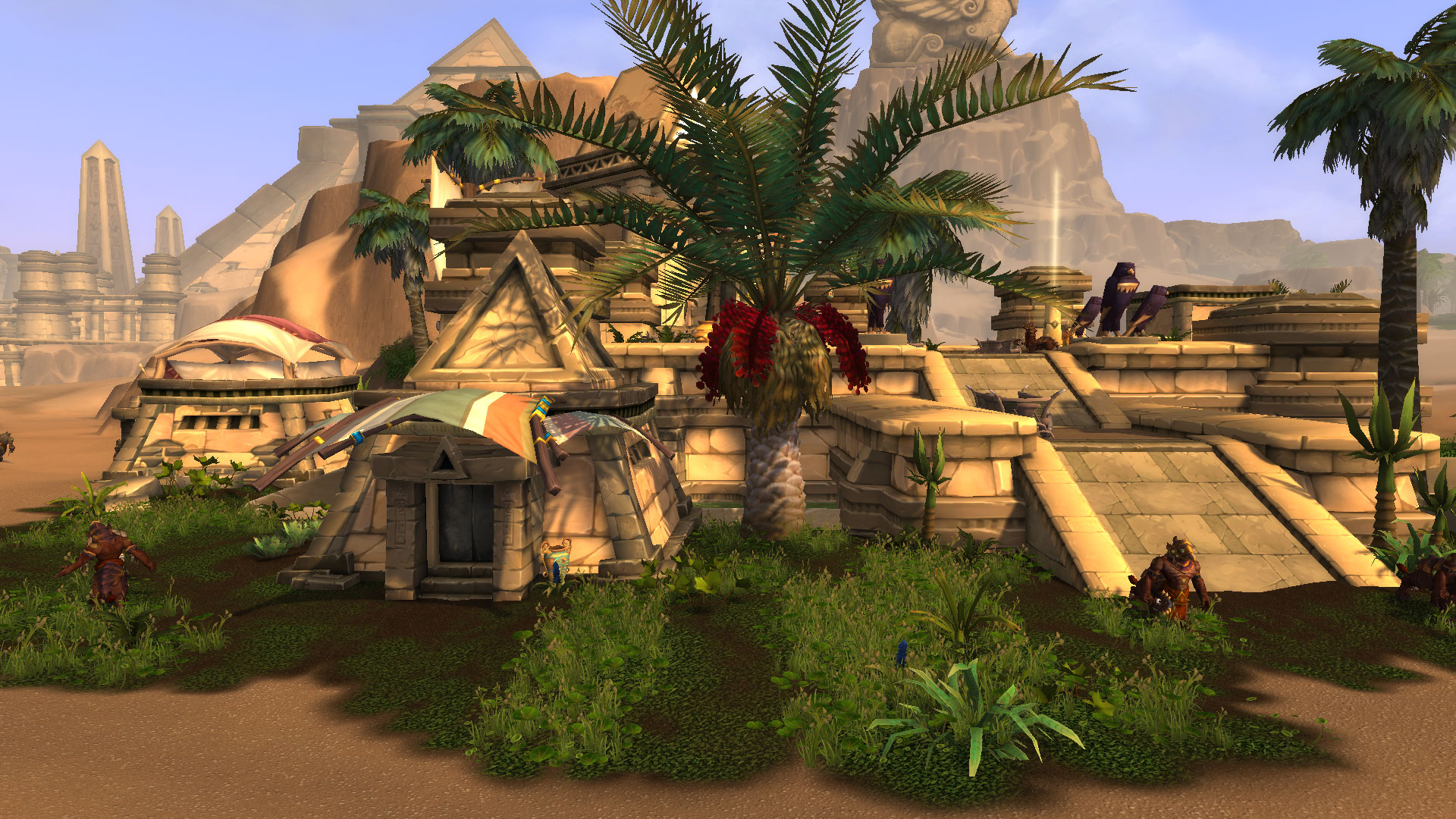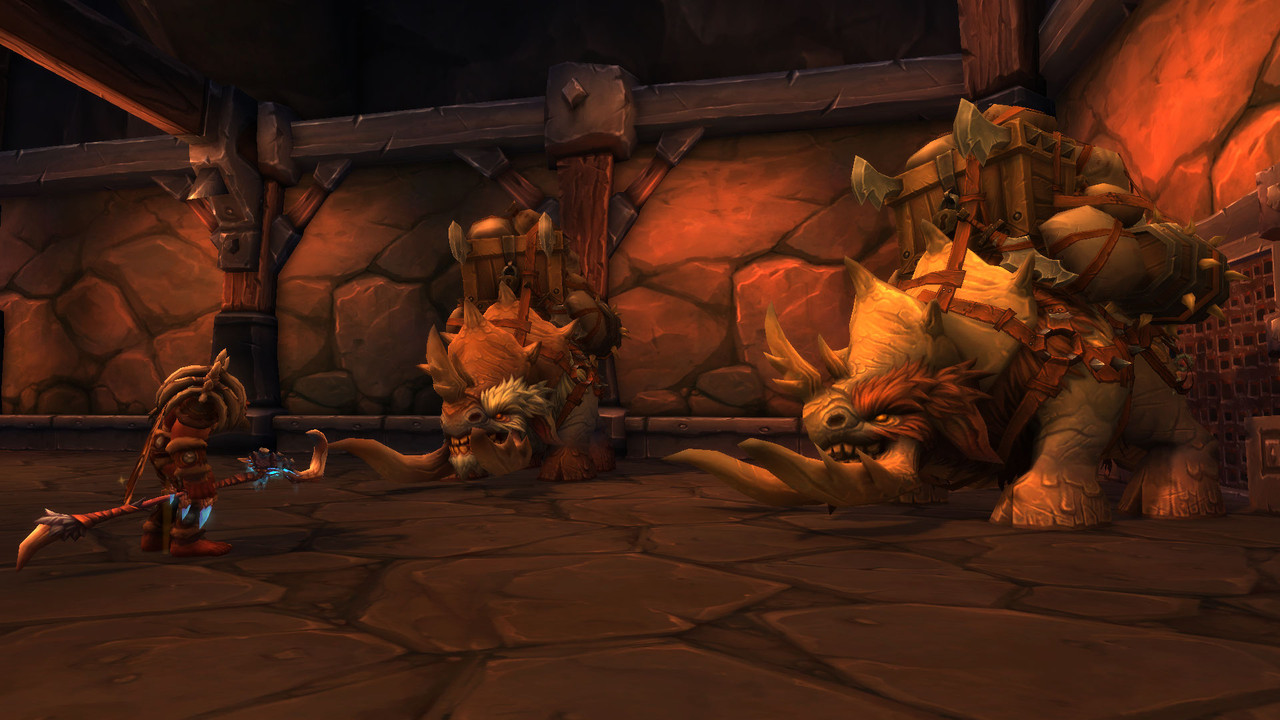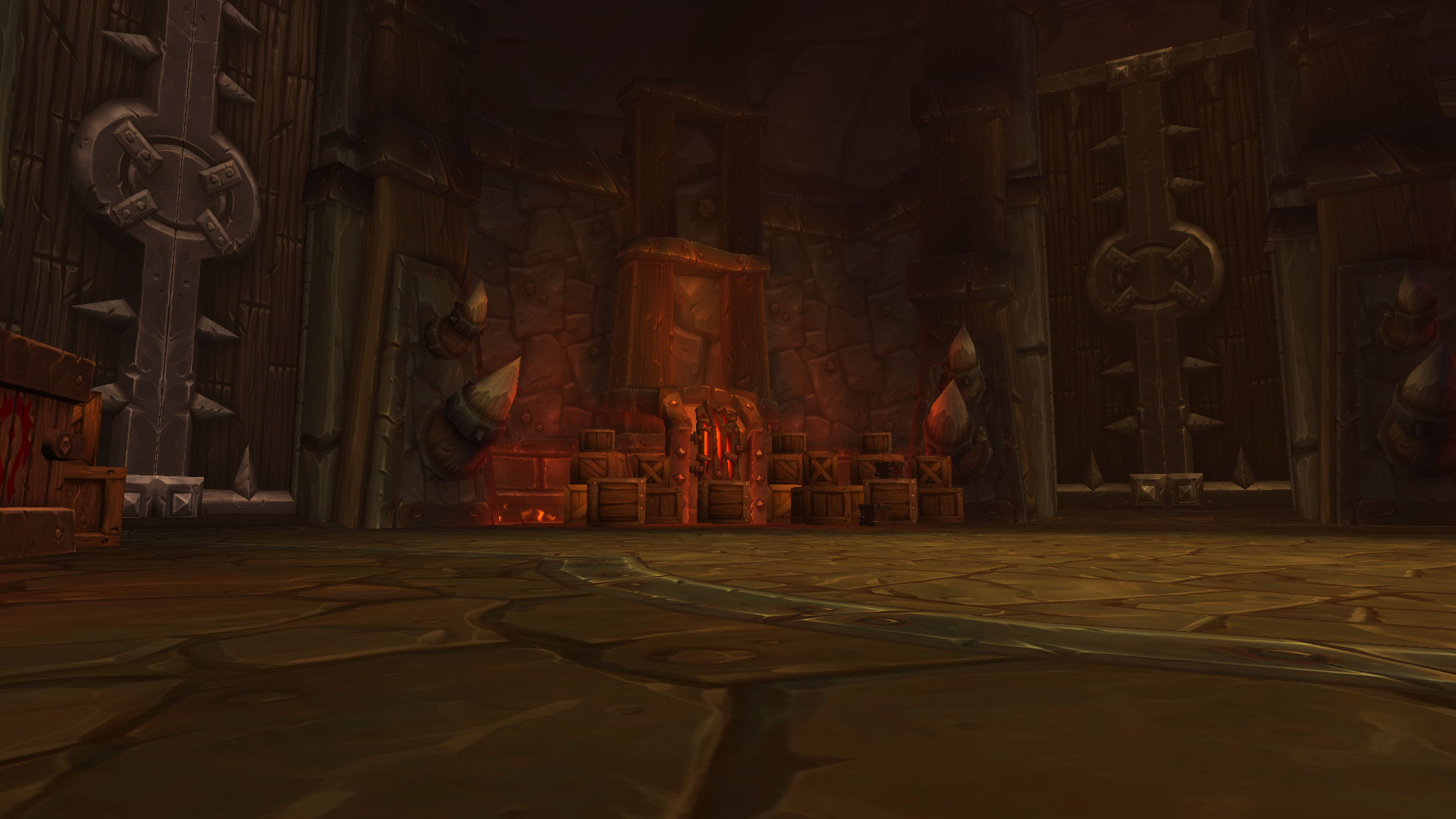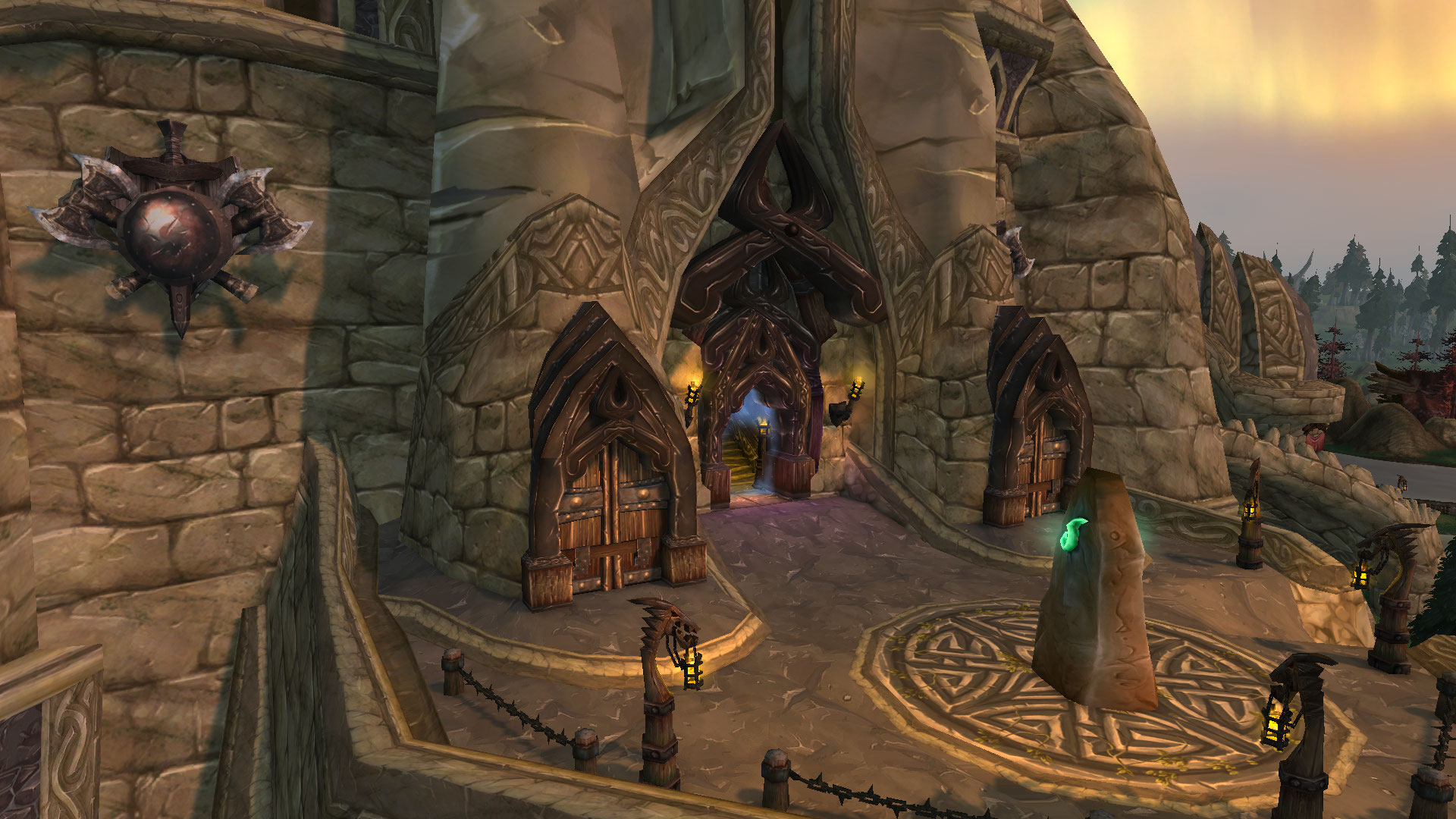
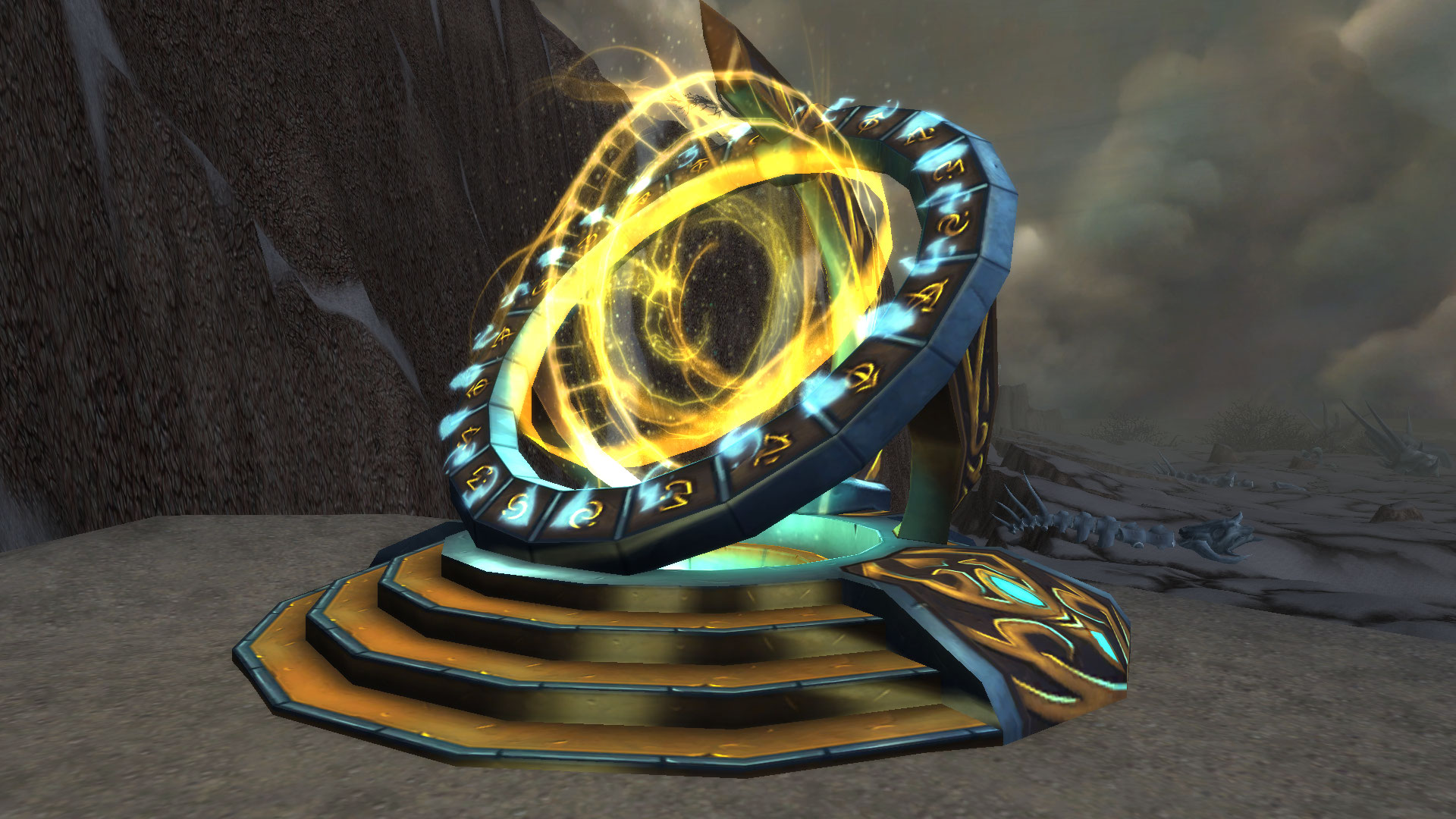
The End Time dungeon in World of Warcraft: Cataclysm presents a haunting glimpse into a world ravaged by Deathwing’s victory. Players are thrust into a future where the once-vibrant lands of Azeroth lie in ruins, showcasing the dire consequences of the Cataclysm. This dungeon not only serves as a narrative climax but also as a gameplay experience that emphasizes the themes of despair and loss. Through its design, mechanics, and storytelling, End Time encapsulates the catastrophic impact of Deathwing’s reign, making it a pivotal moment in the game’s lore.
What Are the Key Features of the End Time Dungeon?
The End Time dungeon features a unique blend of narrative-driven gameplay, challenging mechanics, and iconic boss encounters that reflect the devastation caused by Deathwing.
This dungeon is structured around three main encounters, each representing a different aspect of the bleak future. The mechanics are designed to challenge players while immersing them in the story of a world forever changed. The table below summarizes the key features and mechanics of the End Time dungeon.
| Boss Encounter | Key Mechanics | Loot Rewards | Environmental Themes |
|---|---|---|---|
| Echo of Tyrande | Shadowy Apparitions, Healing Debuffs | Tier Gear, Unique Trinkets | Desolate Night Elf Ruins |
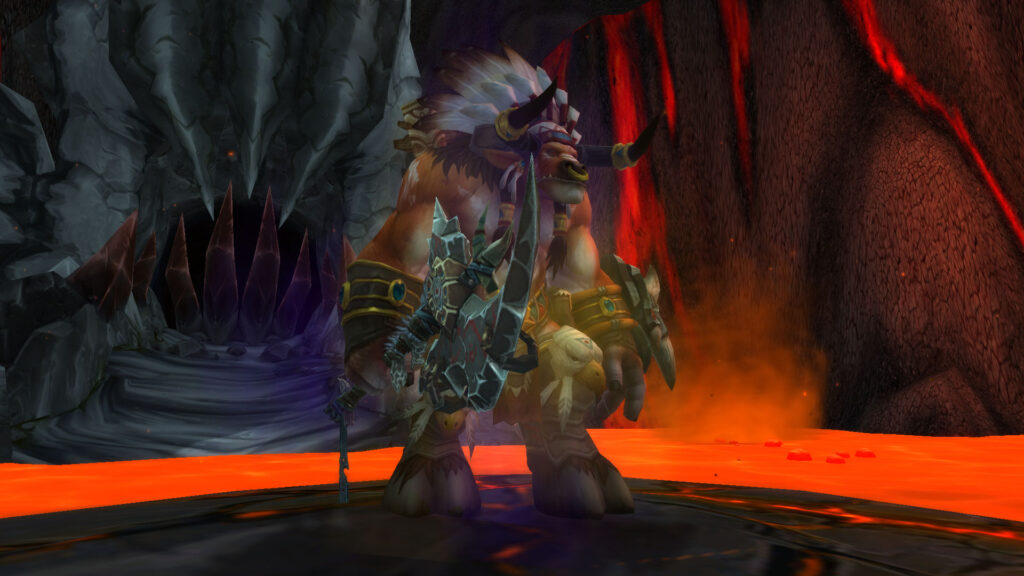
| Echo of Baine | Stampede, Ground Effects | Weapon Upgrades, Armor | Devastated Tauren Lands |
| Echo of Jaina | Frost Damage, Area Control | Epic Gear, Crafting Materials | Frozen, Ruined Cityscape |
How Does End Time Reflect the Consequences of Deathwing’s Actions?
The End Time dungeon starkly illustrates the catastrophic consequences of Deathwing’s actions, showcasing a world in despair and decay.
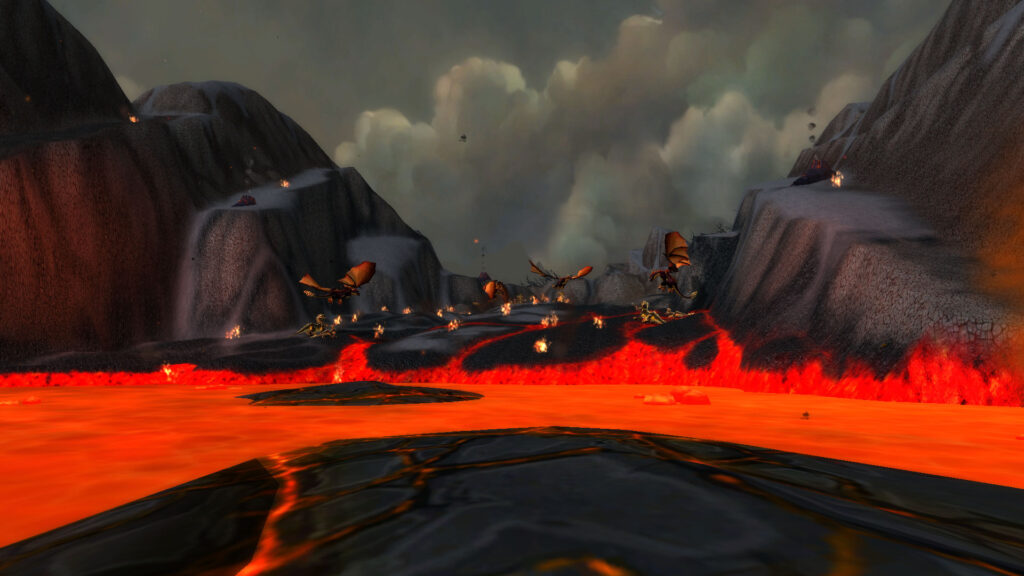
The narrative context of End Time is steeped in the aftermath of the Cataclysm, where players witness the destruction of beloved regions and the downfall of iconic characters. This dungeon serves as a poignant reminder of the stakes involved in the struggle against Deathwing, emphasizing the loss of hope and the futility of resistance. The setting itself, filled with remnants of the past, evokes a sense of nostalgia and sorrow, as players confront the reality of a future where the heroes of Azeroth have failed.
Mechanically, the encounters within End Time are designed to reflect the overwhelming power of Deathwing. Players face echoes of their former allies, now twisted by despair and defeat. The mechanics employed in each encounter, such as the healing debuffs from Echo of Tyrande or the area control from Echo of Jaina, symbolize the struggle against insurmountable odds. This design choice reinforces the narrative theme of loss, as players must confront not only powerful foes but also the emotional weight of battling former friends turned enemies.
What Strategies Should Players Use to Overcome End Time’s Challenges?
To successfully navigate the challenges of End Time, players should adopt specific strategies tailored to each boss encounter and their mechanics.
Understanding the mechanics of each encounter is crucial for success. For instance, during the Echo of Tyrande fight, players should focus on managing the Shadowy Apparitions while ensuring that the healing debuffs do not stack excessively. Coordination among party members is essential, as players must communicate effectively to avoid unnecessary damage and maximize healing output. Similarly, in the Echo of Baine encounter, players should position themselves strategically to avoid the Stampede and mitigate ground effects, ensuring that they remain mobile and responsive to the changing battlefield.
- Study each boss’s mechanics in advance to prepare your strategy.
- Coordinate with your team to assign roles based on class strengths.
- Utilize crowd control abilities to manage adds and minimize damage.
- Adapt your strategy based on the flow of the encounter and communicate effectively.
What Are the Thematic Elements That Enhance the Experience of End Time?
The thematic elements of End Time significantly enhance the player experience, immersing them in a narrative of loss and despair.
The visual design of the dungeon plays a crucial role in conveying its themes. The desolate landscapes, filled with remnants of once-thriving civilizations, serve as a backdrop for the emotional weight of the encounters. Each area reflects the specific race and culture that has been devastated, from the ruined Night Elf cities to the barren plains of the Tauren. This attention to detail not only enriches the lore but also deepens the player’s emotional investment in the narrative.
Moreover, the music and sound design contribute to the overall atmosphere of hopelessness. The haunting melodies and ambient sounds evoke a sense of melancholy, reinforcing the idea that the world has irrevocably changed. This combination of visual and auditory elements creates a powerful experience that resonates with players, making the End Time dungeon a memorable and impactful part of the Cataclysm storyline.
What Common Issues Do Players Face in End Time and How Can They Be Resolved?
Players often encounter specific issues in End Time, including difficulty with boss mechanics and team coordination, which can be resolved through strategic planning.
One common issue players face is the overwhelming complexity of the mechanics, particularly in the later encounters. New players may struggle to grasp the intricacies of each fight, leading to frustration and potential wipes. To mitigate this, it is essential for players to familiarize themselves with the mechanics before entering the dungeon. Watching guides or reading strategy articles can provide valuable insights into what to expect and how to respond effectively during encounters.
What Future Trends Can We Expect in Dungeons Like End Time?
Future dungeons may continue to explore themes of despair and loss, building on the foundations laid by End Time while introducing new mechanics and storytelling techniques.
As the game evolves, developers may look to enhance the emotional impact of dungeons by incorporating more interactive storytelling elements. This could include branching narratives based on player choices or dynamic environments that change based on the players’ actions. Additionally, the integration of more complex mechanics that require teamwork and strategy could further challenge players, making each encounter feel unique and engaging.
Moreover, the trend towards darker, more mature themes in gaming may lead to dungeons that explore the consequences of victory and defeat in more profound ways. By continuing to push the boundaries of narrative and gameplay, future dungeons can build on the legacy of End Time, offering players a richer and more immersive experience that resonates long after the encounter is over.